
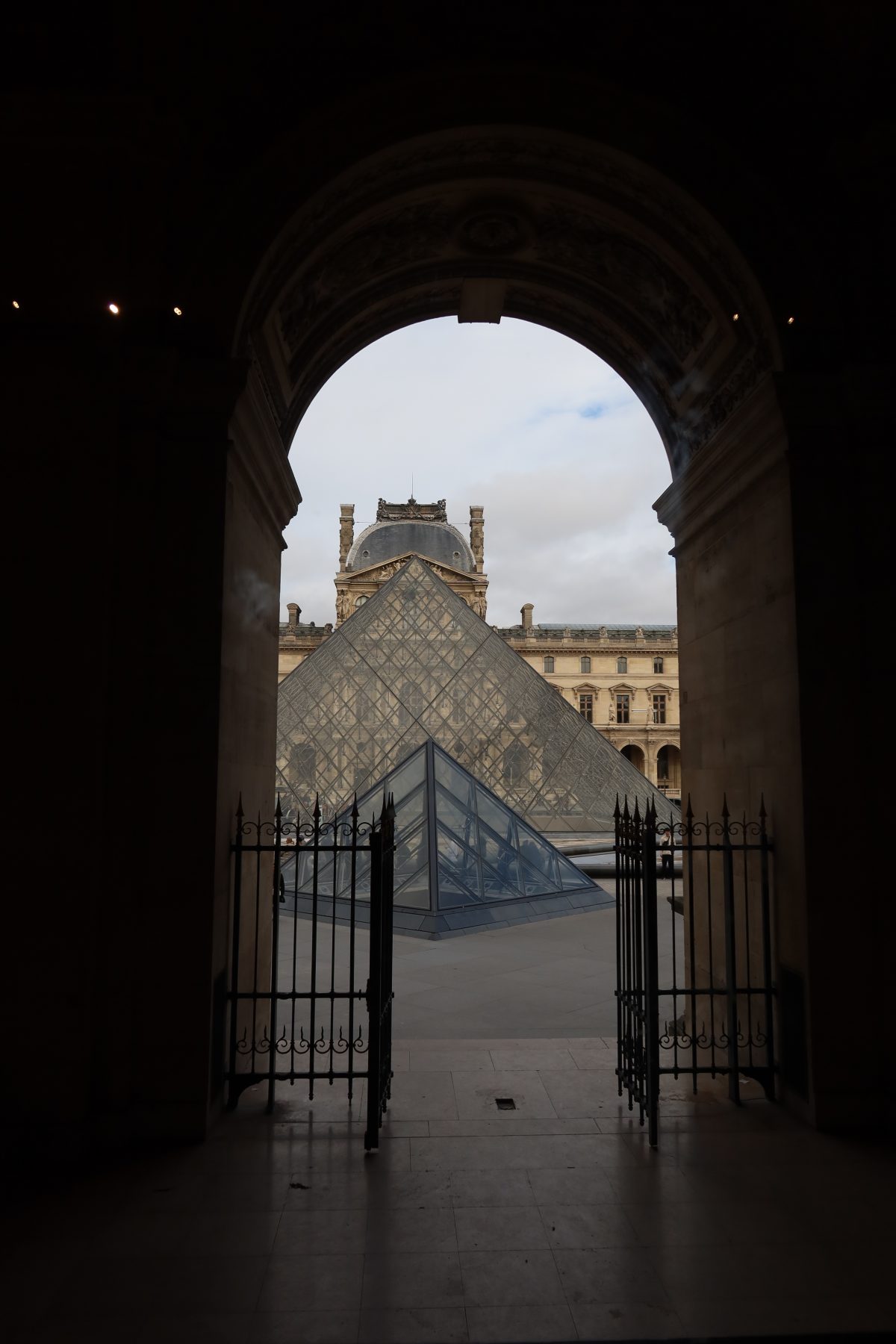
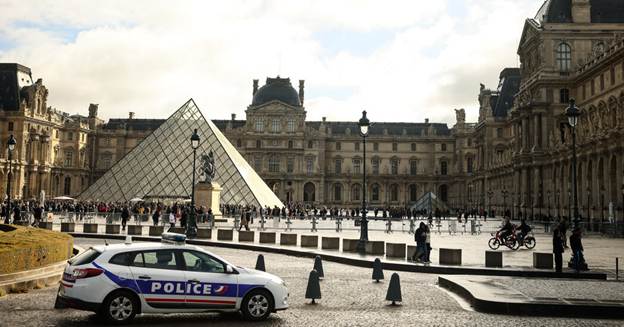
On a crisp October morning in 2025, the world-famous Louvre Museum in Paris became the scene of one of the most audacious art thefts in modern history. Masked thieves used a cherry picker to breach the Apollo Gallery, smashing display cases and fleeing with eight priceless pieces from France’s Crown Jewels artifacts tied to 19th-century royalty and valued at around $100 million. The daylight robbery shocked the world, drawing parallels to legendary heists while exposing vulnerabilities in cultural security. As investigations unfold with arrests and ongoing manhunts, this case highlights the need for precise tracking of events in complex legal matters. Let’s dive into a detailed case timeline using TrialLine, our intuitive legal timeline software that helps attorneys visualize key milestones, attach evidence, and collaborate seamlessly.
Transform chaotic case details into clear, interactive timelines, sign up for a free 7-day trial of TrialLine today!
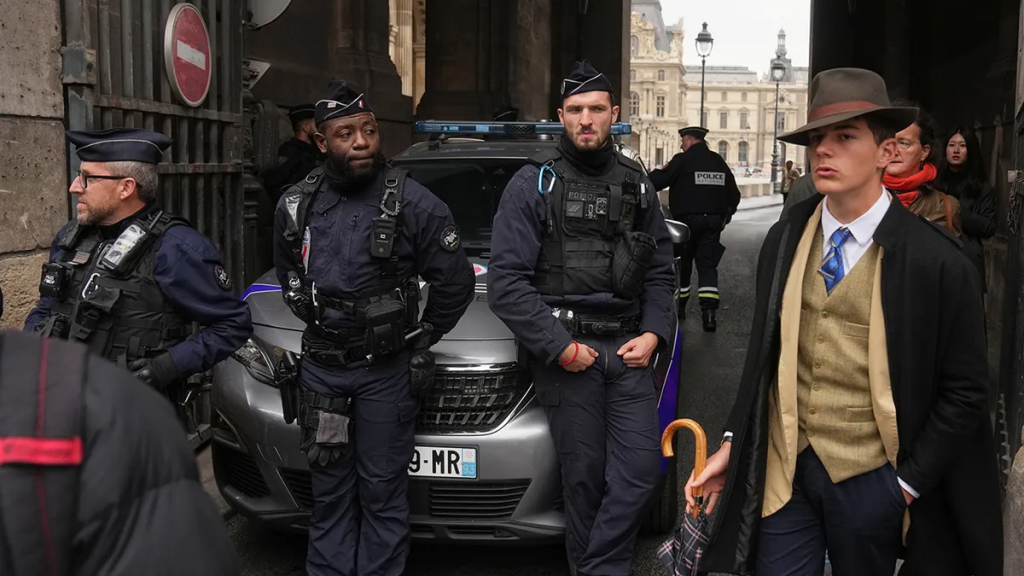
Dapper stranger in Paris crown jewels heist photo sparks online …
What Are the French Crown Jewels?
The French Crown Jewels represent a glittering chapter of royal history, showcasing opulent gems from the First and Second French Empires. Housed in the Louvre’s Apollo Gallery since the 1880s, this collection includes diadems, necklaces, brooches, and earrings adorned with sapphires, emeralds, pearls, and diamonds–many linked to figures like Empress Eugénie, Queen Marie-Amélie, and Queen Hortense.
Historical Significance
Dating back to the 19th century, these jewels symbolize France’s imperial grandeur. For instance, the Sapphire Diadem of Empress Eugénie, crafted in 1853, features over 1,000 diamonds and sapphires. The collection survived revolutions and wars, becoming a national treasure displayed for millions of visitors annually. Its theft not only robs France of cultural heritage but also raises questions about museum security protocols.
Display at the Louvre
The Apollo Gallery, a lavish hall decorated with frescoes and gold leaf, has long been the jewels’ home. Enhanced security measures, including reinforced cases and surveillance, were in place–but as the heist revealed, they weren’t foolproof. This backdrop sets the stage for the daring crime that unfolded.
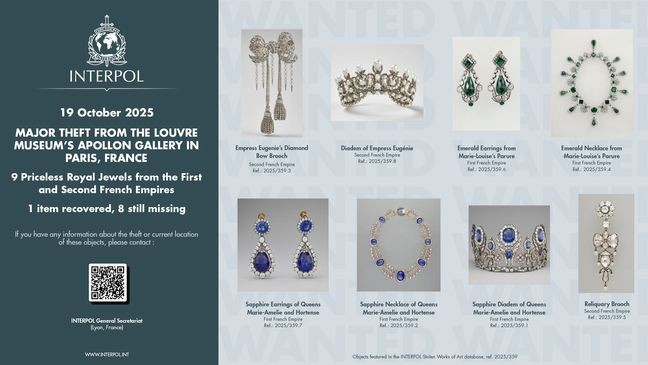
Suspects arrested in theft of crown jewels from Louvre museum in Paris
Timeline of the Heist

Image by author – Apollo Gallery
The Day of the Heist
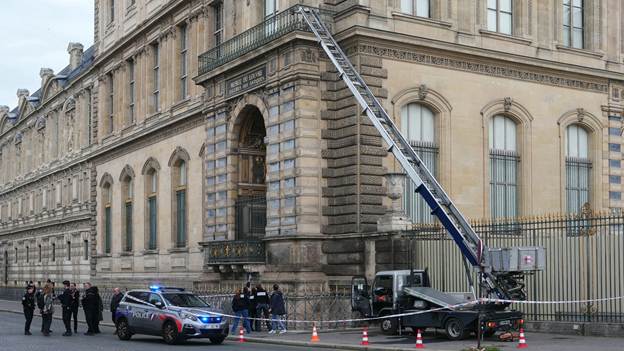
October 19, 2025: The Brazen Break-In Around 9:30 a.m., four masked thieves arrived on motor scooters near the Louvre’s Seine-facing facade. They commandeered a cherry picker from a nearby construction site, extending it to reach the Apollo Gallery’s windows. Two intruders climbed in, using a disc cutter to smash reinforced display cases in under four minutes. They targeted eight specific pieces: sapphire and emerald diadems, necklaces, brooches, and earrings associated with Queens Marie-Amélie, Hortense, and Empress Eugénie. Amid the chaos, they attempted to set the lift ablaze to cover their tracks but were interrupted by approaching security. Fleeing on scooters, they abandoned one damaged item–the Crown of Empress Eugénie–outside the museum. Visitors, including tour groups, reported hearing loud “stomping” and alarms blaring.
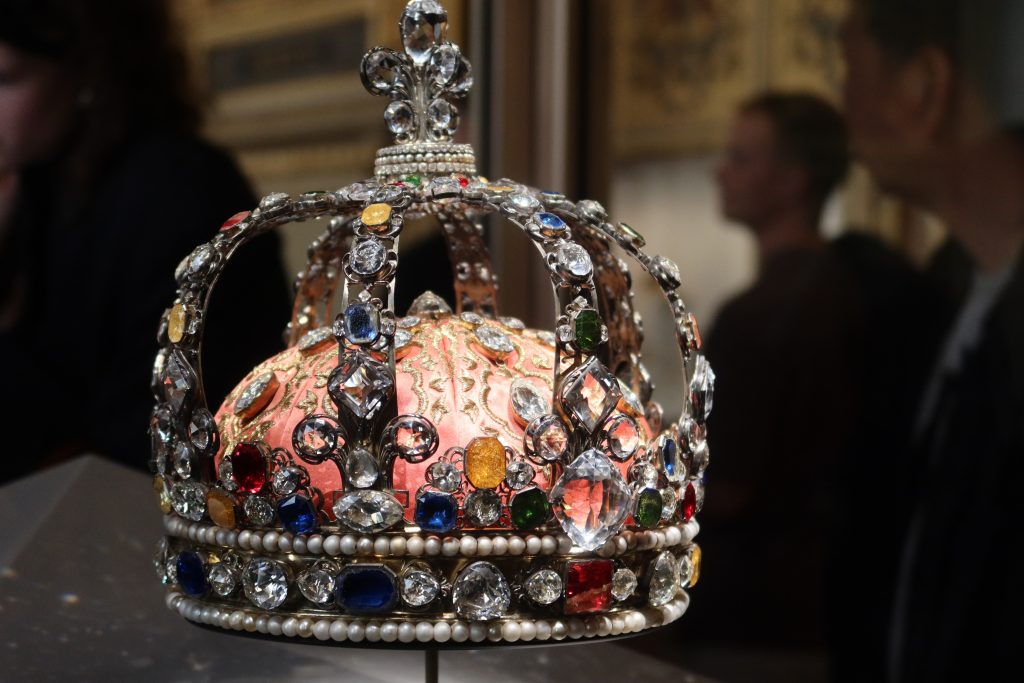
The Crown of Louis XV of France (not stolen) – Image by Author
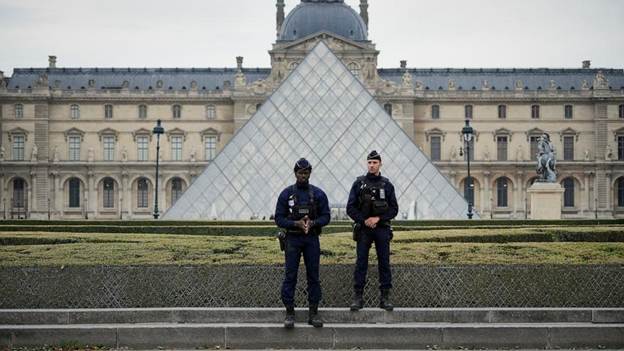
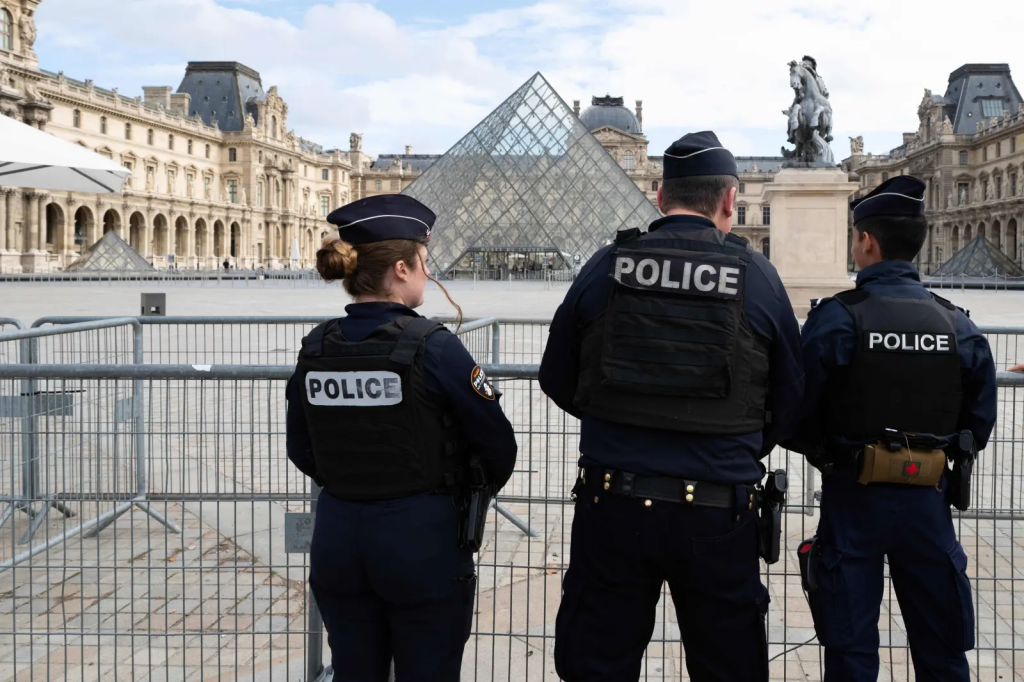
October 19, 2025: Immediate Response Shortly after the theft, the museum was evacuated amid panic. A barking Akita dog, reminiscent of past heists, was noted by witnesses. Police sealed off the area, collecting over 150 DNA samples, fingerprints, hair fibers, and reviewing surveillance footage. President Emmanuel Macron addressed the nation, vowing swift justice. The stolen items were promptly added to Interpol’s Stolen Works of Art Database to alert global authorities.

Aftermath and Initial Investigations
October 20, 2025: Emergency Security Review France’s Culture and Interior Ministries convened an urgent meeting to assess museum vulnerabilities. Discussions focused on outdated surveillance and budget cuts, with calls for immediate upgrades across national sites.
October 22, 2025: Museum Reopens Amid Tension The Louvre reopened to the public, though the Apollo Gallery remained cordoned off. U.S. tourists shared harrowing accounts of the “very scary” ordeal, describing shattered glass and fleeing suspects. Media coverage intensified, drawing international scrutiny.

Regent Diamond & others – (not stolen) Image by author.
October 23, 2025: Leadership Shake-Up The Louvre’s director publicly acknowledged security lapses and offered to resign. In a precautionary move, the remaining Crown Jewels were transferred to a high-security vault at the Bank of France.
Keep every event, witness statement, and piece of evidence organized–schedule a demo with TrialLine today!
Arrests and Ongoing Probe
October 26, 2025: Key Suspects Detained In a major breakthrough, two men in their 30s from Seine-Saint-Denis–both with prior robbery convictions–were arrested on charges of organized gang robbery and criminal conspiracy. One was captured at Paris-Charles de Gaulle Airport en route to Algeria, the other in central Paris. They were held for up to 96 hours for questioning. Paris prosecutor Laure Beccuau launched a formal investigation, cautioning against media leaks that could jeopardize the case.
October 27, 2025: Ministerial Praise and Hunt Continues Interior Minister Laurent Nuñez commended investigators via a post on X, highlighting the efforts of over 100 officers from the Brigade for the Repression of Banditry. The stolen jewels remain missing, with two additional suspects and a potential mastermind still at large. International cooperation through Eurojust and Europol is underway, and enhanced security has been rolled out at French cultural institutions.
Late October 2025: Custody and Charges The suspects’ initial detention period concludes, with prosecutors expected to announce formal charges–potentially carrying heavy fines and lengthy prison sentences. A preliminary report from France’s Court of Auditors is slated for November, critiquing inadequate video systems and reduced funding.
Ongoing: Global Manhunt and Recovery Efforts The investigation persists, with forensic analysis of evidence and appeals for public tips. Interpol alerts remain active, and experts speculate the jewels may be dismantled for black-market sale.
Louvre Museum Robbery: Priceless Jewels On Display Before Daylight Theft
Simplify Complex Case Timelines Like the Louvre Heist With TrialLine
High-stakes cases like the Louvre jewel heist involve rapid developments, multiple suspects, and layers of evidence–from DNA samples to surveillance footage. TrialLine’s legal timeline software makes it easy to map out these intricacies: create interactive case timelines, attach documents and media, filter by date or category, and share with your team in real-time. Whether you’re prosecuting organized crime or defending against theft allegations, our tool turns disorder into a compelling narrative for briefs, trials, or settlements.
Say goodbye to disorganized case timelines–try TrialLine now!
FAQs About the Louvre Jewel Heist Timeline
- What jewels were stolen in the Louvre heist? Eight pieces from the French Crown Jewels, including diadems, necklaces, brooches, and earrings linked to 19th-century queens and empresses.
- How much are the stolen Crown Jewels worth? Approximately $100 million, though their historical value is considered priceless.
- Have any suspects been arrested? Yes, two men were detained on October 26, 2025, with more potentially at large.
- When will the case go to trial? Charges are expected soon, but a trial date remains pending as the investigation continues.
This post is for informational purposes only and does not constitute legal advice.
Try TrialLine Free
Experience the power of our legal timeline software with a 7-day free trial at TrialLine.net–no credit card required. Or schedule a personalized demo to see how it fits your workflow. See your case and win with TrialLine!