
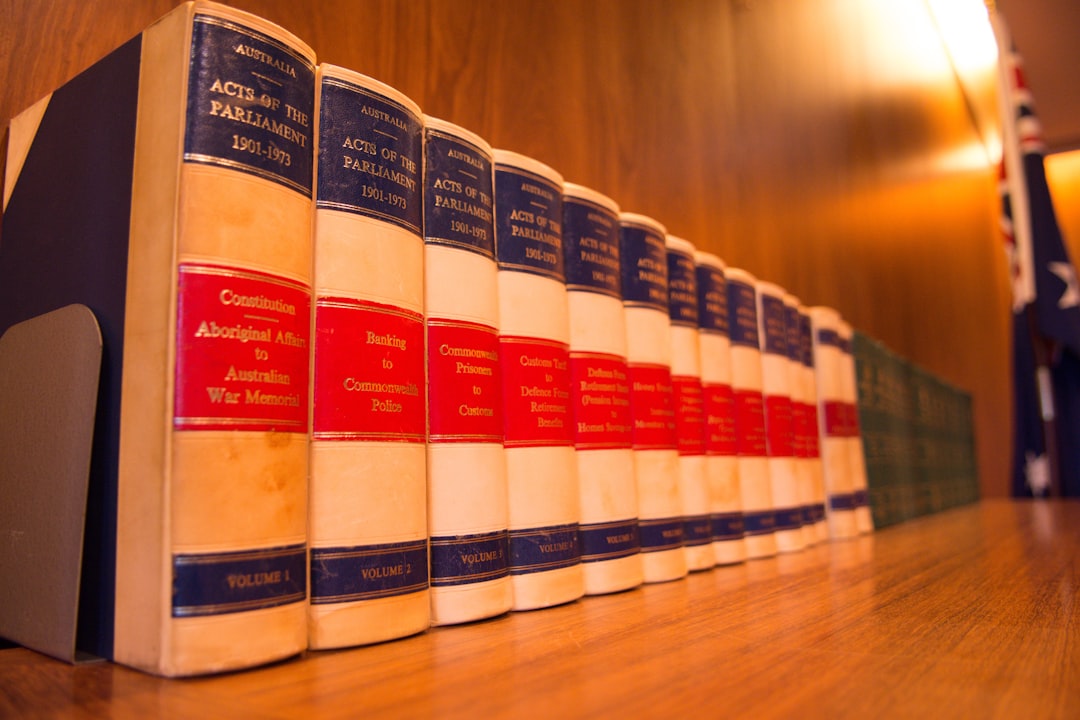
You’re knee-deep in discovery documents. Your paralegal is asking about timeline inconsistencies. A witness statement contradicts earlier testimony. And somewhere in the mountain of files on your desk, there’s that crucial email that proves liability—but you can’t find it anywhere.
Sound familiar?
The harsh reality of modern litigation is that cases generate mountains of evidence. Personal injury files overflow with medical records, insurance claims, and witness statements. Commercial disputes involve email chains spanning years, contracts, amendments, and correspondence. Employment cases require meticulous tracking of personnel records, communications, and policy documentation. In fact, attorneys spend an estimated 40% of their time on administrative tasks related to case organization rather than actual legal strategy and client service.
Here’s the problem: stop losing case details through disorganized evidence management. This isn’t just an inconvenience—it can directly impact case outcomes, client relationships, and your firm’s bottom line.
In this guide, we’ll explore proven evidence organization secrets that legal professionals use to maintain control of complex cases, ensure nothing falls through the cracks, and present compelling narratives during trial. Moreover, you’ll discover how modern legal technology can transform the way you manage evidence and build stronger cases.
The Hidden Cost of Disorganized Case Evidence
Before diving into solutions, let’s acknowledge what disorganized evidence actually costs you.
Time Waste
Consider this scenario: You’re preparing for a deposition and need to review all communications between two parties over a six-month period. Without proper organization, you spend hours digging through email folders, document repositories, and physical files. You might miss critical correspondence buried in someone’s email chain. This time could have been spent on legal analysis, case strategy, and client communication instead.
Furthermore, when evidence isn’t properly organized, legal teams duplicate efforts. Multiple team members might search for the same document independently, wasting cumulative hours. Partners might request information that junior associates have already compiled but couldn’t easily locate.
Strategic Disadvantages
Disorganized evidence creates blind spots in your case narrative. You might miss crucial timeline inconsistencies that could undermine opposing counsel’s claims. You could overlook patterns in communications that prove intent or knowledge. These gaps don’t just represent lost opportunities—they can literally cost you cases.
Additionally, when you’re struggling to locate evidence quickly, you can’t respond effectively to unexpected developments. Cross-examination throws you a curveball? You need to verify a fact immediately. Without organized evidence systems, you’re fumbling through files while jurors watch and opposing counsel presses forward.
Client Communication Issues
Clients expect transparency and confidence from their attorneys. When you can’t immediately answer questions about their case timeline or locate supporting documentation, it undermines their trust. This is particularly problematic in personal injury cases, where clients are often anxious and want frequent updates on their situation.
Moreover, when team members have access to different versions of case information, inconsistent client communication inevitably follows. One attorney tells the client one thing, another team member says something slightly different, and credibility erodes.
The Anatomy of a Well-Organized Case: Key Evidence Categories
Effective evidence organization begins with understanding what you’re actually organizing. Rather than treating all case materials the same way, successful attorneys categorize evidence strategically.
Chronological Evidence
Chronological evidence includes any materials tied to specific dates and times: emails, text messages, incident reports, medical records with dates, witness statements documenting when they observed events, surveillance footage timestamps, and financial transactions.
This type of evidence is absolutely critical because litigation fundamentally revolves around understanding what happened and when. In personal injury cases, establishing the exact sequence of events is paramount. In commercial disputes, understanding the timeline of communications often proves who knew what and when they knew it.
Documentary Evidence
Documentary evidence encompasses written materials: contracts, amendments, correspondence, policies, procedures, invoices, receipts, and internal communications. These materials frequently contain the “smoking gun” evidence that wins cases.
The challenge with documentary evidence is volume. A mid-sized commercial litigation matter might involve tens of thousands of documents. Without systematic organization, you’re essentially asking team members to find a needle in a haystack.
Witness and Testimonial Evidence
This category includes deposition transcripts, witness statements, interview notes, expert reports, and affidavits. Unlike documents which don’t change, testimonial evidence becomes more valuable when you can cross-reference it against other evidence.
For instance, you might have a witness statement saying an incident occurred on Tuesday morning. Documentary evidence (like surveillance footage) might show it actually happened Monday evening. This discrepancy is only valuable if you can quickly connect these pieces of information.
Demonstrative Evidence
Demonstrative evidence includes visual materials you create to support your case: diagrams, photographs, videos, animations, and charts. Importantly, demonstrative evidence is only powerful if it accurately reflects the underlying facts and documentary evidence.
Core Strategies for Superior Evidence Organization
Successful litigation support requires a systematic approach to evidence management. Here are the fundamental strategies used by high-performing legal teams.
Implement a Unified Numbering System
First, establish a consistent numbering system for all documents and evidence. Whether you use Bates numbering for trial exhibits or a document management system identifier, consistency is essential.
This single practice prevents numerous problems:
- Eliminates duplicate scanning when team members aren’t sure if a document already exists in your system
- Enables precise citations in legal memoranda and motions
- Facilitates discovery compliance when you need to produce documents to opposing counsel
- Creates clear audit trails showing when documents were obtained and how they’re categorized
For larger cases, consider using specialized legal document management software that automatically assigns numbers upon upload and maintains consistent naming conventions.
Create a Master Timeline
A master timeline serves as your case’s nervous system. It connects all relevant events in chronological order, regardless of the type of evidence.
Your master timeline should include:
- Date of incident and all related events
- Discovery dates for key documents
- Communication dates and summaries
- Witness interview dates
- Medical treatment dates and milestones
- Procedural deadlines relevant to the case
- Deposition schedules
Subsequently, this timeline becomes your reference point. When you discover new evidence, you can immediately place it chronologically. When preparing for trial, you have a single document showing the complete sequence of events.
The value of a visual timeline cannot be overstated. Rather than requiring attorneys to mentally piece together events across multiple documents, a visual representation makes patterns and gaps immediately apparent.
Develop a Document Indexing System
Beyond simple numbering, create an index that captures critical information about each document:
- Bates number (or document ID)
- Date
- From/To (for communications)
- Subject
- Custodian (who possessed it)
- Key issues (what legal issues does it address?)
- Status (privileged, produced, withheld, etc.)
Additionally, include a summary of each document’s substantive content. Rather than forcing team members to read lengthy emails or documents, a brief summary highlights relevance and key facts.
This indexing system becomes invaluable during trial preparation, settlement discussions, and regulatory responses. You can quickly generate summaries of all communications on a particular topic, compile timelines of specific issues, and demonstrate comprehensiveness of your evidence.
Leverage Color-Coding and Visual Organization
While seemingly simple, visual organization through color-coding dramatically improves evidence management efficiency.
Consider assigning colors to:
- Evidence types (red for medical records, blue for communications, green for financial documents)
- Legal issues (one color for causation-related evidence, another for damages)
- Time periods (different colors for different years in multi-year cases)
- Custodians (different colors for different parties or witnesses)
Consequently, team members can quickly scan document collections and identify relevant materials without reading every page. This is particularly valuable during trial preparation when time pressure peaks.
Establish Clear Chain of Custody Documentation
In cases where evidence integrity matters (virtually all litigation), maintain meticulous records of how evidence was obtained, stored, and handled.
Document:
- Original location of physical evidence
- Who obtained it and when
- Custodial changes (who has possession at various points)
- Storage conditions (particularly important for physical evidence)
- Access logs (who reviewed or worked with evidence)
This documentation protects against challenges to evidence admissibility while ensuring you can defend your case preparation integrity.
Organizing Evidence for Trial: Specific Considerations
Trial preparation demands different evidence organization priorities than earlier case stages. Here’s what matters most when you’re weeks or days away from trial.
Create Exhibit Lists and Organization
By trial, you should have clearly identified which documents you intend to introduce as evidence. Create comprehensive exhibit lists organized by:
- Exhibit number (typically assigned in alphabetical or numerical sequence)
- Description of the exhibit
- Witness who will authenticate it
- Legal relevance (why this exhibit matters to your case)
- Location in trial binders or electronic systems
Subsequently, prepare physical exhibits or organize digital copies so they’re instantly accessible during trial. Nothing undermines attorney credibility faster than fumbling through files searching for an exhibit.
Develop Demonstrative Evidence Packages
Transform your documentary evidence into visual presentations. Rather than displaying a complex contract on screen, create a highlighted version showing key provisions.
For instance, in a personal injury case, you might create:
- Timeline graphics showing incident sequence with photo documentation
- Medical progression charts with key treatment dates and findings
- Financial impact summaries demonstrating damages calculation
- Comparison documents highlighting discrepancies in opposing counsel’s claims
Additionally, prepare “trial ready” versions of these materials. Professional graphics created before trial are far more persuasive than hastily assembled presentations during testimony.
Organize for Witness Testimony
Structure your evidence around your witness list. For each witness, prepare:
- Relevant documents they can testify about
- Communications they were party to or aware of
- Timeline items they can address
- Contradictory evidence you might need to address in cross-examination
- Supporting documentation that corroborates their expected testimony
This organization ensures you’re ready to move efficiently through your case presentation, establishing facts systematically and logically.
Digital Tools and Systems for Evidence Management
Modern evidence organization increasingly relies on specialized software and digital systems. While various platforms exist, the right choice depends on your case size, budget, and technical capabilities.
Cloud-Based Case Timeline Software
Specialized legal timeline software represents a significant advancement in evidence organization. These platforms allow you to:
- Create visual timelines showing all case events chronologically
- Link documents directly to timeline events
- Collaborate in real-time with team members regardless of location
- Filter and search quickly across complex cases
- Generate reports showing timeline summaries
- Present to clients, judges, and juries with professional visual formats
Specifically, solutions like TrialLine are built specifically for attorneys’ needs. Unlike general project management tools adapted for legal use, purpose-built legal timeline software understands the nuances of case management, evidence handling, and trial preparation.
TrialLine’s cloud-based architecture means you access cases from anywhere—courthouse, client meeting, deposition—ensuring evidence is always at your fingertips. The platform facilitates collaboration, allowing multiple team members to contribute to the timeline simultaneously while maintaining consistency. Importantly, integration with your documents means you’re not maintaining separate systems; evidence, timeline, and case facts exist in unified organization.
Document Management Systems
In addition to timeline software, legal document management systems organize and index evidence efficiently. These systems:
- Digitize and scan physical documents
- Apply consistent naming conventions automatically
- Create searchable databases of case materials
- Track document versions and changes
- Generate required reports for discovery compliance
Combined with timeline software, document management creates comprehensive evidence organization. Your documents are indexed and accessible, while your timeline provides the strategic organizational structure showing how these documents fit into your case narrative.
Email and Communication Management
Email evidence presents unique challenges. Without proper management, email chains become nearly impossible to follow. Specialized email management tools:
- Extract email chains and attachments
- Convert to searchable formats
- Maintain original metadata (dates, recipients, subject lines)
- Create chronological views of communications
- Identify communication gaps or timing inconsistencies
Subsequently, email evidence becomes useful rather than overwhelming.
Practical Implementation: Your Evidence Organization Action Plan
Understanding evidence organization principles is valuable. Actually implementing them in your practice is what generates results. Here’s a practical roadmap:
Month One: Establish Foundations
Week 1-2: Develop your organization system
- Define your numbering system
- Create your document index template
- Establish color-coding standards for your firm
Week 3-4: Begin implementation on current cases
- Apply your system to one active case
- Test your document indexing process
- Identify system refinements needed
Month Two: Build Your Evidence Infrastructure
Week 1-2: Digitize existing evidence
- Scan physical documents
- Organize digital files
- Apply your numbering system consistently
Week 3-4: Create master timelines
- List all significant case events
- Create visual timeline representation
- Link supporting documents to timeline events
Month Three: Integrate Technology
Week 1-2: Implement specialized software
- Select appropriate tools for your practice
- Train team members on software use
- Upload case materials into systems
Week 3-4: Refine processes
- Gather feedback from team members
- Adjust procedures based on practical experience
- Document best practices for your firm
Frequently Asked Questions About Evidence Organization
Q: How detailed should my timeline be?
A: Include all legally significant events, but don’t create timeline bloat. For most cases, significant events include: incident date, discovery dates, communications between parties, medical treatment dates, procedural deadlines, and witness interviews. Omit routine activities unless they’re specifically relevant to disputed facts.
Q: What if evidence contradicts my case theory?
A: This happens regularly. Properly organized evidence actually helps you address contradictions. You’ll spot them before trial rather than being surprised during examination. This allows you to develop explanations, adjust case strategy, and prepare for cross-examination effectively.
Q: How long should I maintain evidence organization after case conclusion?
A: Client representation duties typically extend beyond case closure. Maintain evidence organization for the applicable statute of limitations period. Many attorneys keep litigation files organized indefinitely given malpractice concerns.
Q: Should solo practitioners invest in specialized legal software?
A: Absolutely. Solo practitioners especially benefit from efficient evidence organization. You’re likely managing multiple cases simultaneously without administrative staff to help. Technology that reduces time spent searching for evidence directly increases billable hours and case quality.
Q: How do I ensure evidence organization compliance with ethics rules?
A: Your evidence organization system should facilitate compliance with professional responsibility rules. Proper organization helps you maintain client confidentiality, avoid conflicts of interest, meet disclosure obligations, and demonstrate competent case handling if ever questioned.
Conclusion: Transform Your Case Management Today
Evidence organization isn’t glamorous work. It won’t impress clients at initial consultations or generate headlines about brilliant legal arguments. Nevertheless, effective evidence organization is the invisible foundation of successful litigation.
Cases are won through meticulous attention to facts, comprehensive understanding of what the evidence actually shows, and ability to present that evidence clearly and persuasively. These capabilities flow directly from how effectively you organize your evidence.
The attorneys and firms that consistently outperform their competition share a common trait: obsessive attention to case organization. They know where every document is. They understand their complete timeline. They’ve identified inconsistencies before opposing counsel does. They’re prepared for trial while others are still searching for evidence.
You don’t need a massive budget or complex procedures to achieve this. You need systematic approach, consistent application, and the right tools. Start with your current caseload. Implement a simple organizational system. See how much more efficiently your team operates when evidence is organized logically rather than scattered across multiple systems.
Subsequently, as you experience the benefits—faster case preparation, reduced administrative time, stronger trial presentations, more confident client communication—you’ll recognize that evidence organization isn’t overhead. It’s investment in case quality and firm profitability.
Ready to stop losing case details? Begin with these steps:
- This week: Choose one active case and audit your current organization system. Identify what’s working and where you’re struggling.
- Next week: Implement a basic master timeline for that case. You can do this in a spreadsheet initially. Notice how immediately placing all events chronologically reveals gaps and patterns.
- This month: Evaluate whether specialized legal timeline software like TrialLine could streamline your organization process. The platform’s ability to link documents directly to timeline events and collaborate across your team often pays for itself through time savings on your first case.
Your cases—and your clients—deserve better than disorganized evidence management. Start implementing these secrets today, and transform how you handle litigation from initial intake through final resolution.