
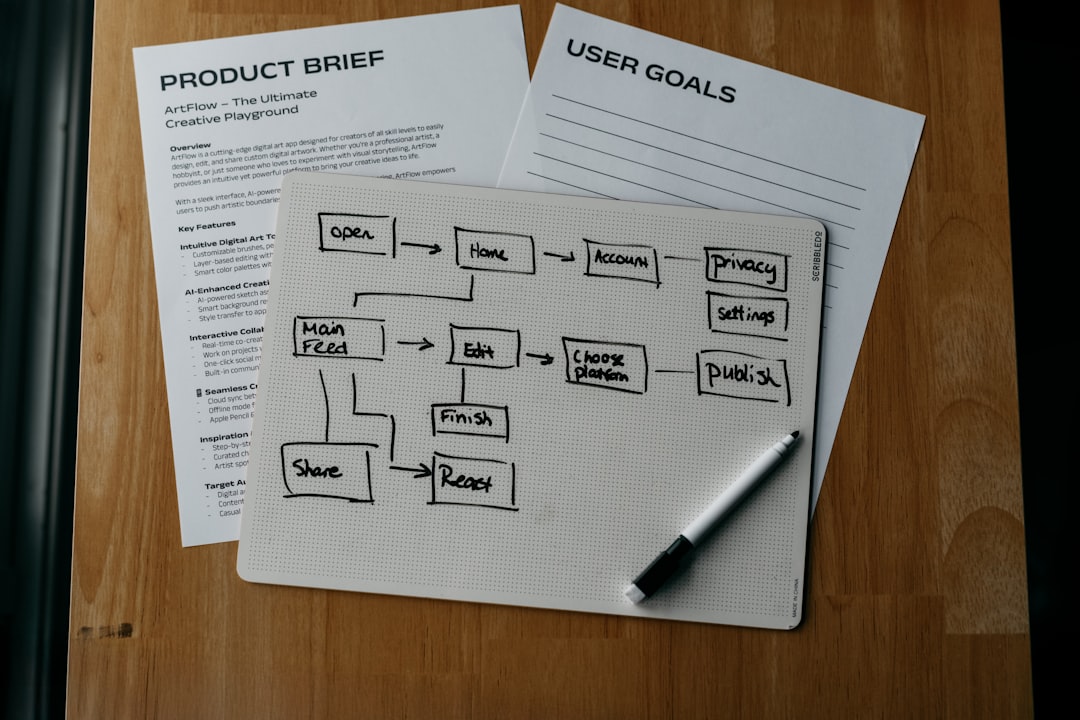
Picture this: You’re three weeks into trial preparation for a multi-party commercial litigation case. Your client is demanding answers about the sequence of events leading up to the dispute. Your opposing counsel is aggressively challenging your narrative about how events unfolded. Meanwhile, your case timeline is scattered across seventeen different Word documents, countless email threads, and dozens of sticky notes on your desk.
Sound familiar?
This scenario plays out in law firms and legal departments across the country every single day. The challenge of organizing complex case information and presenting a compelling legal timeline remains one of the most time-consuming and critical aspects of litigation practice. In fact, most attorneys spend an astonishing amount of billable time simply organizing case events rather than focusing on strategy and winning arguments.
But what if there was a better way? What if you could consolidate all your case information into a single, visual, interactive timeline that your entire team could access instantly? This is precisely where modern legal technology comes in—and specifically, where a robust legal timeline solution transforms how attorneys approach complex cases.
In this comprehensive guide, we’ll explore the essential elements of creating an effective legal timeline blueprint, discuss why visualization matters in litigation, and show you how implementing the right approach can accelerate case resolution while improving outcomes.
Understanding the Critical Role of Case Timelines in Litigation
Before diving into the mechanics of building a compelling timeline, let’s establish why timelines matter so much in legal practice.
Why Judges and Juries Think in Sequences
Here’s a fundamental truth about human cognition: people naturally think in sequences. When we tell stories, we say “first this happened, then that happened, and finally this occurred.” This narrative structure is deeply embedded in how our brains process and retain information.
Indeed, legal proceedings are essentially narrative contests. The party that tells the most compelling, coherent story about the sequence of events—the party that presents the clearest timeline—often wins the case. Research in trial advocacy consistently demonstrates that jurors are more persuaded by clear chronological presentation of facts than by scattered evidence presented in random order.
Consider a personal injury case, for example. Rather than presenting medical records, witness statements, and accident reports in isolation, a clear timeline showing exactly when the injury occurred, what treatment followed, and how the plaintiff’s condition evolved creates a narrative that resonates. Furthermore, this chronological presentation helps judges and juries quickly grasp cause-and-effect relationships that might otherwise remain hidden.
The Hidden Costs of Disorganized Case Management
Many attorneys underestimate the financial impact of poor case organization. When case information exists across multiple systems—emails, shared drives, document management software, case management platforms, and physical files—several problems emerge simultaneously.
First, team members waste enormous amounts of time searching for information. A partner spends thirty minutes looking for that deposition transcript. An associate searches for the email chain where key facts were first discussed. Over the course of a large case, this inefficiency adds up quickly. Moreover, when team members can’t quickly find information, they sometimes make decisions based on incomplete knowledge, leading to strategic mistakes or missed opportunities.
Second, consistency problems develop. One team member believes event X occurred on March 15th. Another attorney thinks it was March 18th. This confusion can cascade throughout case preparation and even emerge during trial, undermining credibility and case strength. Additionally, inconsistency in how different team members present case facts can confuse clients, opposing counsel, and potentially judges.
Third, critical analysis becomes difficult. Complex litigation often involves patterns, gaps, or inconsistencies that become apparent only when all events are visualized together in chronological order. When information is scattered, these insights remain hidden. As a result, attorneys may miss crucial arguments or fail to identify weaknesses in the opposing party’s narrative.
Building Your Legal Timeline Blueprint: Essential Components
Effective case timelines share several common characteristics. Understanding these components will help you build timelines that serve both internal case strategy and external presentation purposes.
Component 1: Comprehensive Event Documentation
Your timeline begins with capturing every significant event. This includes obvious items like:
- Key dates in the case (complaint filed, discovery deadlines, depositions)
- Critical business or operational events (product launches, policy changes, management decisions)
- Relevant communications (emails, calls, meetings with decision-maker attendance noted)
- Documentation milestones (contracts signed, reports issued, notice given)
- Factual developments (incidents, injuries, damages assessments)
- Legal proceedings (motions filed, rulings issued, settlement discussions)
However, many attorneys miss secondary events that become critically important later. For instance, in employment litigation, seemingly minor interactions—a casual conversation overheard by another employee, an offhand comment in a group email, or a routine schedule change—can become pivotal evidence.
Likewise, in intellectual property disputes, tracking the timeline of idea development, disclosure patterns, and knowledge about competing products creates the narrative foundation for infringement or misappropriation arguments.
The key principle: when building your timeline, err on the side of inclusion. It’s easier to filter and hide less relevant events later than to realize halfway through trial that you missed something crucial.
Component 2: Supporting Documentation and Evidence
Timelines gain power when they’re anchored to actual documents and evidence. Rather than stating “client sent email expressing concerns,” your timeline should link directly to that email. Instead of noting “witness testified about the incident,” attach the relevant deposition excerpt.
Furthermore, this documentary evidence serves multiple purposes. It corroborates your timeline’s accuracy, provides quick reference material for trial preparation, and creates an auditable trail showing where you obtained your information. Additionally, when presenting timelines to clients, judges, or juries, documentary support transforms assertions into proven facts.
Component 3: Clear Categorization and Color-Coding
Complex cases involve events of different types and significance levels. Implementing a categorization system helps organize information logically. For example, you might distinguish between:
- Communications (emails, calls, meetings)
- Contractual events (signings, amendments, breaches)
- Regulatory actions (filings, approvals, violations)
- Business operations (decisions, implementations, changes)
- Damages or harm (injuries, losses, financial impacts)
- Legal proceedings (filings, motions, rulings)
Visual distinction through color-coding makes these categories immediately apparent, allowing viewers to quickly scan for specific types of information. Additionally, categorization enables filtering—viewing only communications during a particular period, for instance, or focusing exclusively on regulatory events.
Component 4: Context and Narrative Elements
Facts don’t exist in isolation. Rather, they’re part of a larger narrative. Your timeline should include contextual information that helps viewers understand why events matter.
For example, rather than simply listing “Q2 2023 sales declined 15%,” provide context: “Q2 2023 sales declined 15% following the public disclosure of the regulatory investigation (documented by [specific evidence]).” This narrative approach helps viewers quickly grasp the significance of events and see connections between them.
Component 5: Multiple Perspectives and Stakeholder Views
Complex litigation typically involves multiple parties with different perspectives on events. Rather than creating a single timeline from your client’s viewpoint, consider developing parallel timelines showing how different parties experienced or perceived events.
Subsequently, when you compare these timelines, gaps and contradictions often become apparent. This comparative analysis frequently reveals strong arguments for your case. For instance, if opposing counsel’s timeline includes a gap where no explanation exists for a critical period, you’ve identified a weakness to exploit.
Why Visualization Transforms Case Strategy
Creating a legal timeline blueprint extends beyond mere organization. The act of visualizing case events on a chronological display fundamentally changes how attorneys and clients understand cases.
Pattern Recognition and Strategic Insights
When all case events are displayed in chronological order, patterns become visible that remain hidden in traditional case management approaches. For example:
- A series of communications that reveal a pattern of bad faith conduct
- A cluster of similar incidents suggesting systemic problems rather than isolated events
- Temporal relationships showing that key events occurred in surprising proximity to one another
- Gaps in the record suggesting missing evidence or suspicious timing
These patterns often provide the most compelling arguments. Rather than arguing about individual facts, you’re presenting a picture that shows a coherent, damaging narrative. Furthermore, jurors and judges respond powerfully to pattern evidence because it appeals to their narrative sensibilities.
Identifying Case Weaknesses Before Trial
Visualization also reveals weaknesses in your own case before opposing counsel exposes them. Specifically, you can identify:
- Events that don’t fit your narrative and require explanation
- Periods with gaps in documentation that opposing counsel might exploit
- Inconsistencies between different sources of information
- Timing that works against your theory of the case
By identifying these issues early, you can develop explanations, locate missing evidence, or adjust your case strategy before trial. This proactive approach prevents surprises in the courtroom.
Communicating Complex Information Clearly
Judges and jurors aren’t experts in your case. They need to quickly understand the sequence of events and grasp its significance. A well-constructed visual timeline accomplishes this far more effectively than oral argument or written pleadings.
Additionally, visual timelines work across different learning styles. Some people process information best through reading, others through visualization, and still others through narrative. A comprehensive timeline serves all three preferences simultaneously, making your case presentation more persuasive and memorable.
Implementing Your Timeline Strategy: Practical Steps
Now that we’ve established why timelines matter, let’s discuss how to implement an effective timeline strategy for your cases.
Step 1: Establish Timeline Ownership and Responsibility
Timelines don’t create themselves. Someone on your team must take responsibility for timeline development and maintenance. Ideally, assign this responsibility to someone detail-oriented who understands the case thoroughly.
This person becomes the timeline custodian—responsible for ensuring events are accurate, properly documented, and kept current as new information emerges. Furthermore, designating clear ownership prevents the common problem where everyone assumes someone else is maintaining the timeline, resulting in gaps and stale information.
Step 2: Gather Information Systematically
Rather than building a timeline haphazardly as events occur to you, implement a systematic information-gathering process:
- Review all pleadings and motion filings to identify key dates and claims
- Examine contracts and agreements for significant events and milestones
- Conduct initial interviews with clients to gather their recollection of key events
- Review all documentary evidence methodically, noting dates and significance
- Compile deposition transcripts and identify key testimony about timing
- Review email and communication records for critical messages and dates
- Document regulatory filings and communications that establish factual timelines
This systematic approach ensures you capture the full range of relevant events rather than relying on memory or quick impressions.
Step 3: Create an Evolving Timeline as Discovery Progresses
Your initial timeline is a starting point, not a final product. As discovery progresses, new information will emerge, requiring timeline updates and revisions.
Therefore, build your timeline using a platform that allows easy modifications and additions. When opposing counsel’s document production reveals events you didn’t previously know about, integrate them immediately. Similarly, when depositions reveal new information about timing or context, update your timeline promptly.
Additionally, maintaining an evolving timeline creates a valuable record of what you knew when, which can be important for privilege and work product analysis as the case develops.
Step 4: Leverage Technology for Efficiency and Collaboration
Manual timeline creation using Word documents or spreadsheets is time-consuming and error-prone. Modern legal practice benefits tremendously from purpose-built timeline software.
Specifically, cloud-based legal timeline platforms enable:
- Real-time collaboration where multiple team members work on the timeline simultaneously
- Automatic backup and version control ensuring no work is lost
- Easy filtering and searching to quickly locate specific events or time periods
- Professional visualization that can be exported for presentations or trial
- Document integration linking timeline events directly to supporting evidence
- Mobile access allowing attorneys to reference timelines from courtrooms or client meetings
Solutions like TrialLine provide these capabilities specifically designed for legal professionals, eliminating the friction of trying to repurpose general business tools for legal timeline management.
Step 5: Develop Multiple Timeline Views for Different Purposes
A single timeline cannot serve all purposes. Different audiences need different information presented differently.
For example:
- Internal case strategy timeline: Comprehensive, including all events, even those you may not present at trial, with detailed context and analysis
- Client communication timeline: Focused on events directly relevant to the client’s interests, with clear explanations of significance
- Expert witness timeline: Organized around the expert’s area of analysis, showing the events most relevant to their opinions
- Trial presentation timeline: Streamlined to the most compelling facts, visually designed for jury impact, with narrative flow
Therefore, your timeline infrastructure should support creating multiple derived views from a single comprehensive information database. This approach ensures consistency while optimizing presentation for specific audiences.
Preparing for Trial: How Timelines Drive Courtroom Success
The real value of timeline development becomes apparent as you prepare for trial and present your case in court.
Trial Preparation Advantages
Well-constructed timelines accelerate trial preparation significantly. Moreover, they provide substantial advantages:
- Faster witness preparation: Witnesses can review the timeline to refresh their recollection about dates and sequences they may not recall perfectly
- Clearer examination outlines: Rather than hunting through documents to establish chronology during examination, you reference the established timeline
- Stronger cross-examination: You can quickly identify inconsistencies between witness testimony and your documented timeline
- Reduced trial surprises: Because you’ve thoroughly analyzed the sequence of events, unexpected testimony is less likely to disrupt your case narrative
Additionally, timelines help you prepare for opposing counsel’s arguments. By understanding the timeline from their perspective, you can anticipate their likely arguments and prepare responses.
Courtroom Presentation and Persuasion
When your case reaches trial, visual timelines become powerful presentation tools. Indeed, research in trial advocacy demonstrates that visual aids dramatically improve juror comprehension and retention of complex information.
Furthermore, timelines serve multiple persuasive functions:
- Narrative coherence: They present facts in the natural sequence humans use to process information
- Pattern demonstration: They reveal patterns that support your case theory
- Credibility building: Documentary-backed timelines demonstrate thorough preparation
- Opposing counsel vulnerability: Gaps or inconsistencies in opposing counsel’s narrative become apparent
- Jury engagement: Visual presentations maintain juror attention and engagement
Notably, judges also appreciate well-constructed timelines. In bench trials and preliminary proceedings, timelines help judges quickly grasp complex facts and understand your legal arguments more effectively.
Common Timeline Mistakes and How to Avoid Them
As you build your legal timeline blueprint, awareness of common pitfalls helps you avoid costly errors.
Mistake 1: Incomplete or Selective Documentation
The most dangerous timeline mistake is being incomplete while presenting it as comprehensive. If you omit events that reflect poorly on your case, you’re creating liability for yourself while weakening your case if opposing counsel identifies the omissions.
Additionally, juries and judges recognize selective presentation as an indication of weakness. The more complete your timeline, the more credible it appears.
Solution: Be comprehensive. Include events that don’t support your narrative and develop explanations for why they don’t undermine your case. This approach is far more persuasive than apparent omissions.
Mistake 2: Lacking Documentary Support
Timelines that make assertions without documentary backing are significantly less persuasive than timelines anchored to evidence.
Solution: Link timeline entries to documents whenever possible. If an event lacks documentary support, clearly label it as based on testimony or representation, and identify the source.
Mistake 3: Poor Organization and Navigation
A timeline that’s difficult to navigate or search is not much better than scattered documents.
Solution: Implement categorization, color-coding, and search functionality. Make it easy for team members to find specific information quickly.
Mistake 4: Static Timelines That Don’t Evolve
Timelines created early in litigation and then neglected become unreliable as new information emerges.
Solution: Designate timeline ownership and establish a regular update schedule. Update the timeline as discovery progresses and new information emerges.
Mistake 5: Attempting General-Purpose Tools Instead of Legal-Specific Solutions
Word documents, spreadsheets, and general project management software can technically create timelines, but they lack critical legal-specific features like document integration, collaboration workflows, and security capabilities.
Solution: Implement purpose-built legal timeline software designed specifically for attorneys’ needs. Solutions like TrialLine provide the specialized capabilities that general tools simply cannot match, enabling faster development, easier collaboration, and more professional presentation.
Advanced Timeline Strategies for Complex Litigation
As you develop expertise in timeline management, several advanced strategies can further enhance case outcomes.
Multi-Party Timeline Analysis
In cases involving multiple parties, creating separate timelines for each party then comparing them reveals discrepancies and inconsistencies that become powerful arguments. Subsequently, when you demonstrate that opposing parties’ timelines conflict with documentary evidence, you’ve undermined their credibility.
Expert Opinion Integration
Expert witnesses often base their opinions on case chronology. Building timelines specifically organized around expert analysis helps experts develop stronger opinions while making their testimony more persuasive.
Privilege Mapping Through Timelines
Timelines can be configured to include privilege information, helping you understand your own potential exposure and strategic options without revealing privileged content to opposing counsel.
Interactive Timeline Presentations
Rather than static timeline images, interactive digital timelines presented during trial allow attorneys to navigate events dynamically, showing detail on demand while maintaining overall chronological context.
Frequently Asked Questions About Legal Timelines
How detailed should my timeline be?
Include every event that has potential relevance to the case. You can always collapse or hide details for presentation, but you cannot easily add information you failed to capture initially.
When should I start building the timeline?
Begin building your timeline immediately upon case intake. Early timeline development helps you identify information gaps before discovery deadlines arrive.
Who should have access to the timeline?
Within your firm, provide broad access to all team members working on the case. However, carefully manage external sharing to protect work product and privilege. For clients, provide views appropriate to their role and needs.
How do I ensure timeline accuracy?
Cross-reference all timeline entries against source documents. When information comes from testimony rather than documents, clearly note that. Review the timeline regularly with the client to verify accuracy.
What if new information contradicts my existing timeline?
Update the timeline immediately. Don’t try to ignore or hide contradictory information. Instead, integrate it and develop explanations for why it doesn’t undermine your case narrative.
Conclusion: Making Timeline Development Your Competitive Advantage
The legal timeline blueprint represents far more than a nice-to-have case management tool. Rather, it’s a fundamental competitive advantage in litigation practice. Attorneys who implement sophisticated timeline strategies win cases, serve clients more effectively, and build more profitable practices.
Effective timelines drive faster case resolution by helping judges quickly grasp complex facts. They strengthen trial presentations by leveraging how human brains process information. They accelerate case strategy development by revealing patterns and gaps that guide investigation and argument focus. Furthermore, they improve team efficiency by eliminating hours spent searching for information and reconciling different understandings of case facts.
The implementation challenge, however, remains real. Building and maintaining sophisticated timelines using general-purpose tools is time-consuming and error-prone. This is precisely why purpose-built legal timeline software has become increasingly essential.
If you’re managing complex litigation and struggling with case organization, it’s time to elevate your timeline strategy. Implement a comprehensive approach using purpose-built legal timeline software like TrialLine. You’ll immediately notice reduced administrative burden, faster case analysis, and more persuasive case presentations.
Your next step: Schedule a brief consultation to discuss how a sophisticated timeline strategy can strengthen your current case portfolio. Whether you’re managing a personal injury case with multiple incidents, commercial litigation with complex business events, or employment disputes involving disputed communications, better timeline management will improve your outcomes.
The attorneys winning the most significant cases aren’t those with the most documents—they’re those with the best understanding of their cases’ critical events and relationships. They’re building timelines that drive strategy, guide preparation, and persuade judges and juries.
Make the decision today to transform your case management approach. Your clients—and your success rate—will thank you.